

About Us
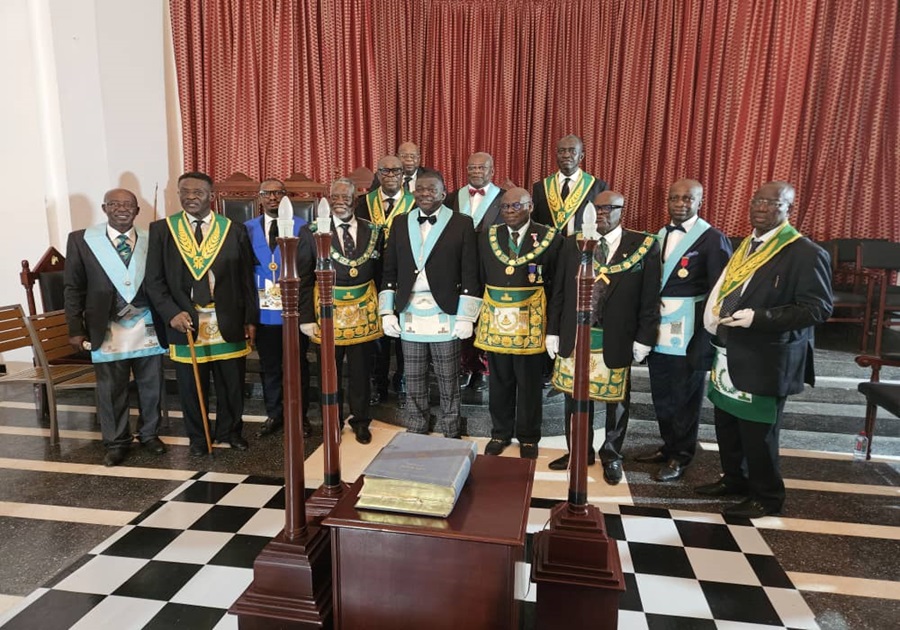
About Freemasonry
Origin:
Freemasonry traces its roots to the medieval stonemasons’ guilds in Europe, especially those who built cathedrals and castles. Over time, it evolved from a professional craft guild into a philosophical and social organization in the 16th–17th centuries, emphasizing moral values, self-improvement, and fellowship rather than stonework.
Freemasonry was introduced to Ghana in the mid-1800s, with Lodges initially operating under the English, Irish, and Scottish Grand Lodges. Over time, these Grand Lodges established administrative Districts and a Province within Ghana.
Freemasonry holds a unique meaning for each of its members. As one of the oldest and largest fraternal organizations in the world, it brings together a global community of approximately 5 million Freemasons.
In essence: Freemasonry is a centuries-old society that combines tradition, symbolism, and charity, aimed at creating better individuals and stronger communities.
Using symbolism, tradition, and structured reflection, Freemasonry teaches values such as honesty, discipline, compassion, and respect for others. Members are encouraged to improve themselves, support one another, and extend charity to those in need.
About Freemasonry
Freemasonry is one of the world’s oldest and most respected fraternal organisations. It brings together men of good character who share a commitment to personal integrity, mutual respect, and service to society. Freemasonry is not a religion or a political group, but a moral and educational fraternity that encourages its members to live responsibly and contribute positively to their communities.
Freemasonry respects faith, lawful authority, and cultural diversity. It welcomes men from different backgrounds who believe in a Supreme Being and who are committed to ethical living. Across generations and continents, Freemasonry has remained focused on building character, strengthening community bonds, and promoting harmony among people.
At its heart, Freemasonry aims to make good men better—and to use those values for the benefit of society as a whole.
What Freemasonry Is Not
To better understand Freemasonry, it is important to clarify what it is not:
- Not a religion
Freemasonry does not replace, compete with, or promote any religion. Members are encouraged to practise their own faith, and the organisation does not dictate religious beliefs. - Not a political organisation
Freemasonry does not support political parties, candidates, or ideologies. Political discussions are not part of its meetings or activities. - Not a secret society
Freemasonry is a private fraternity, not a secret one. Its meeting places, leadership, and charitable activities are well known. While some traditions and ceremonies are kept private, its values and purpose are openly shared. - Not a place for financial gain or influence
Freemasonry does not exist to offer business advantages, personal favours, or social privilege. Membership does not guarantee wealth, power, or special treatment. - Not opposed to society or authority
Freemasonry teaches respect for the law, civic responsibility, and peaceful coexistence within society.
Freemasonry is best understood as a values-based fraternity focused on character, service, and personal responsibility—not mystery, power, or exclusion.
What freemason IS
Freemasonry is a fraternal organization that brings together men dedicated to moral improvement, personal growth, and charitable work. Members, called Freemasons, follow principles of brotherly love, truth, and helping others, often learning through rituals and symbolic teachings based on tools of stonemasons, like the square and compass.